Songs › The Beatles › Twist and Shout
The Beatles
Twist and Shout
One take, no overdubs, at the end of a long day, with a voice that could not do a second.
Hollow marks: the other 49 scored songs · Hatched band: the Crossover Zone
The case
The strongest honest argument for each side, then the ruling.
The Garcia argument
This is the plainest document in the Beatles' catalogue. It was recorded at the end of a long session, live in the room with no overdubs, and the first take was the record. A second was tried and Lennon's voice was gone. What people value in it is the sound of that voice at that hour, which nobody wrote.
The Lennon argument
The song was not theirs and neither was the arrangement, which they had played on stage many times before and would for years after. Nothing in the take was invented on the spot. It is a rehearsed performance of a fixed three-chord song.
The verdict: GLI 49
A fixed song caught as an event. Recording Specificity is at the Garcia floor and the other dimensions lean Lennon, and the two cancel almost exactly. The interest is all in the gap between the song and the take.
What is fixed
- The song
- The arrangement
- The build to the scream
What is open
- The state of the voice
- The one take
Evidence dimensions
Each runs from 0, Garcia, to 100, Lennon. Their weighted composite is 50. The published GLI is 49, 1 lower after comparison with neighbouring songs. The allowed margin is 6.
A fixed three-chord form with a set build.
Played live for three years in the same arrangement.
The song and its arrangement were borrowed whole.
A band performance, pushed by one voice.
As low as any Beatles track. The record is a document of one take.
Transformational tolerance
The song survives anything. This record cannot be made again.
Confidence: 84%
The session is thoroughly documented, and the Beatles played the song live for years.
Keep arguing
Every placement is relative. These are the songs this one was measured against.
Cross-band twin
Closest song from the other band
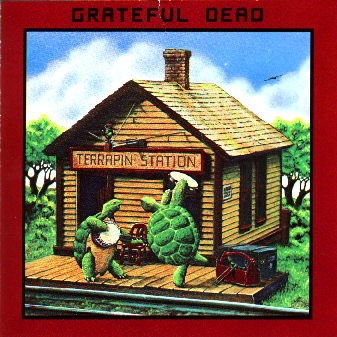 Estimated ProphetGLI 48Written in seven and assembled from fragments. Then the ending was left open.Compare the two
Editorial counterpart
Chosen because it argues back
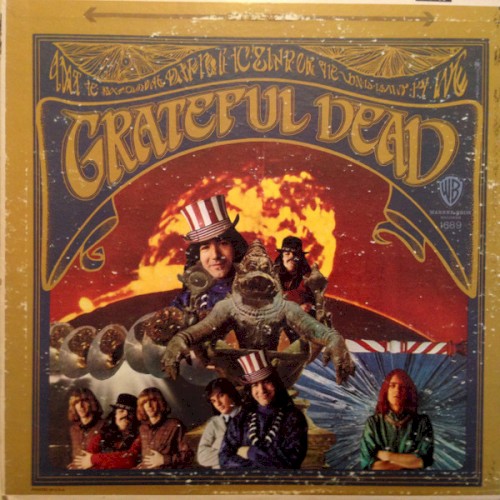 Morning DewGLI 46
Two covers at Dead Center. Each band's claim on the song is something that happened while playing it.
Compare the twoThe record
- Recorded on 11 February 1963 as the last song of the album session, at around ten at night.Source ↗
- Two takes were recorded and the first was released. Lennon's voice was too far gone for the second to be usable.Source ↗
- It was performed live in the studio with no overdubs.Source ↗
- The Beatles kept it in their stage set until the end of their 1965 American tour.Source ↗
Where the sources disagree
- Wikipedia's album article says it was caught on the first take; other accounts record a second, unused take.
Catalog facts
- Catalog no.
- GLI·TB·009
- Artist
- The Beatles
- Writers
- Phil Medley / Bert Russell
- Release
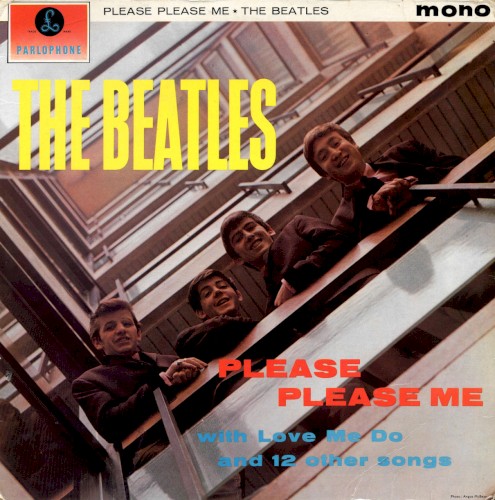
- Please Please Me (1963)
- Released
- 22 March 1963
- Duration
- 2:33
Sources
Classified 5 October 2026