Songs › Grateful Dead › Dark Star
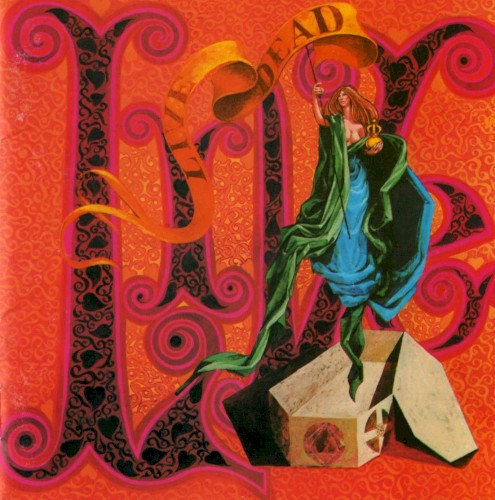
Grateful Dead
Dark Star
The written part fits on an index card. The rest is whatever happened that night.
Hollow marks: the other 49 scored songs · Hatched band: the Crossover Zone
The case
The strongest honest argument for each side, then the ruling.
The Garcia argument
The written part of Dark Star fits on an index card: a short modal theme, two verses and a way of getting back to them. The 1968 single runs 2:44. The Live/Dead performance of 27 February 1969 runs 23:18, and none of the extra twenty minutes was specified beforehand. Across 217 documented performances the tempo, the length, the order of events and even whether the second verse turns up all change. Two versions can share a title and almost no notes.
The Lennon argument
There is a composition here, and a real one. Hunter's lyric, the opening theme and the 1968 studio single were written, arranged and recorded like any other record of that year. A listener can name the piece within seconds from the theme alone. If its identity lived only in performance, the title would mean nothing.
The verdict: GLI 4
The fixed material works as a door, and the piece is what happens after the band walks through it. Take the theme and verses out of Live/Dead and most of the music is still there. Take the improvisation out and you are left with the single, which nobody treats as the work. This is the Garcia pole of Phase I, and length has nothing to do with it. The reason is that the composition deliberately leaves almost every consequential decision unmade.
What is fixed
- Opening theme
- Two verses of lyric
- A cue for returning to the theme
What is open
- Duration
- Tempo and density
- What is played between the verses
- Whether the second verse is sung
- What it leads into
Evidence dimensions
Each runs from 0, Garcia, to 100, Lennon. Their weighted composite is 4. The published GLI is 4, the same.
A theme and two verses. Length, order of events and whether the second verse arrives at all are undecided until it happens.
From 2:44 to well over twenty minutes under one title. Versions share a theme and little else.
Nearly all of the notes heard in a given version were chosen on the night.
Collective listening. Somebody proposes a figure, the others take it up or let it die.
Live/Dead documents the evening of 27 February 1969. It is one Dark Star among hundreds.
Transformational tolerance
Change the tempo, the length, the instrumentation, the order of sections, even drop a verse: still Dark Star. Its identity is a way of proceeding.
Confidence: 97%
More than two hundred documented performances over 26 years, most of them circulating as recordings. The variation is on the record.
Keep arguing
Every placement is relative. These are the songs this one was measured against.
Cross-band twin
Closest song from the other band
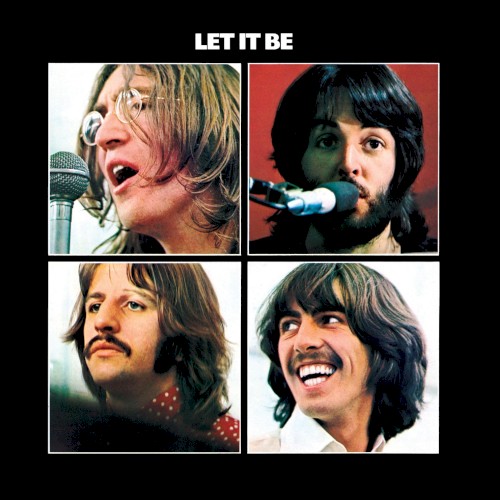 Dig ItGLI 14The Beatles did not write this one. They played it.Compare the two
Editorial counterpart
Chosen because it argues back
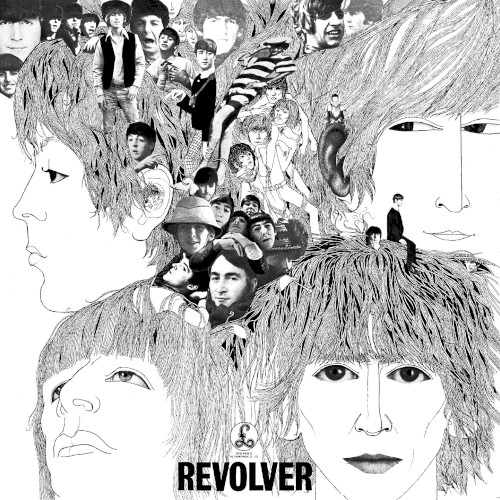 Tomorrow Never KnowsGLI 61
Both sit on one chord. One was played 217 different ways. The other was played once, to tape.
Compare the twoThe record
- The studio single runs 2:44.Source ↗
- The Live/Dead version, recorded 27 February 1969 at Fillmore West, runs 23:18.Source ↗
- Last played 30 March 1994 at The Omni, Atlanta.Source ↗
Where the sources disagree
- First performance is disputed: 13 December 1967 by tradition, 17 January 1968 on setlist.fm.
Catalog facts
- Catalog no.
- GLI·GD·001
- Artist
- Grateful Dead
- Writers
- Grateful Dead / Robert Hunter
- Release
- First issued as a single, April 1968 (2:44). Reference document: Live/Dead, 1969 (23:18).
- Released
- 1968 · exact date not verified
- Duration
- 2:44 single / 23:18 Live/Dead
- Performed
- 217 times (DeadBase X, as cited by dead.net); 258 per setlist.fm
- First played
- Disputed or unknown
- Last played
- 30 March 1994
Sources
- Wikipedia: Dark Star (song)
- Wikipedia: Live/Dead
- dead.net: Greatest Stories Ever Told, Dark Star
- setlist.fm song statistics
Classified 5 October 2026