Songs › The Beatles › Helter Skelter
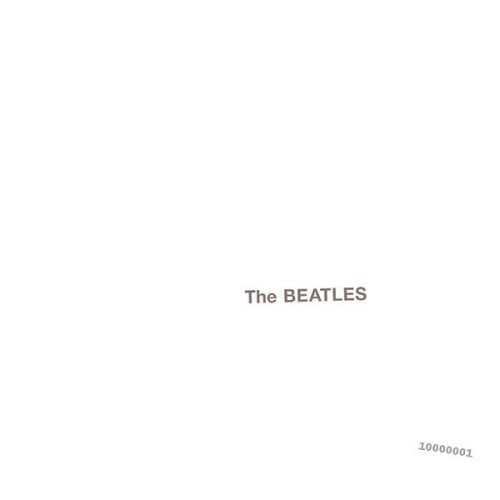
The Beatles
Helter Skelter
One July take ran 27 minutes. The Beatles kept a different one.
Hollow marks: the other 49 scored songs · Hatched band: the Crossover Zone
The case
The strongest honest argument for each side, then the ruling.
The Garcia argument
On 18 July 1968 the Beatles played this as a slow blues, and one take ran 27:11. On 9 September they played it fast and loud eighteen more times and kept the last. Those are two very different pieces of music under one title, the kind of evidence that usually exists only for Dead songs. The released take ends in collapse, false fades and Ringo shouting about his blisters. None of that was planned.
The Lennon argument
The song has a written verse, chorus and descending riff, and the lyric is fixed. What changed between July and September was a decision about arrangement made before the red light went on. The fade-out, fade-in and second fade are mix decisions, and they differ between releases: the shout is on the stereo mix only.
The verdict: GLI 52
A written song whose released form is partly the residue of an occurrence. The session tapes show a wide possibility space. The record shows a band choosing one point in it and then letting the ending get away from them. Neither philosophy wins.
What is fixed
- Verse and chorus
- The descending riff
- Lyric
What is open
- Tempo and feel, as the July session shows
- Length
- The ending
Evidence dimensions
Each runs from 0, Garcia, to 100, Lennon. Their weighted composite is 52. The published GLI is 52, the same.
Verse, chorus and riff are fixed. The ending is not.
A slow blues lasting 27:11 in July. A fast 4:29 in September. That is wide by any band's standard.
The song was written. The collapse at the end was not.
Composed sections played at the edge of control, then an ending that falls apart in real time.
The fades and the false ending are mix decisions, and the mono and stereo releases disagree about them.
Transformational tolerance
Documented. The same song exists as a slow blues and as the loudest thing on the album.
Confidence: 76%
Strong session evidence, including two dated versions that differ radically. No stage history by the Beatles.
Keep arguing
Every placement is relative. These are the songs this one was measured against.
Cross-band twin
Closest song from the other band
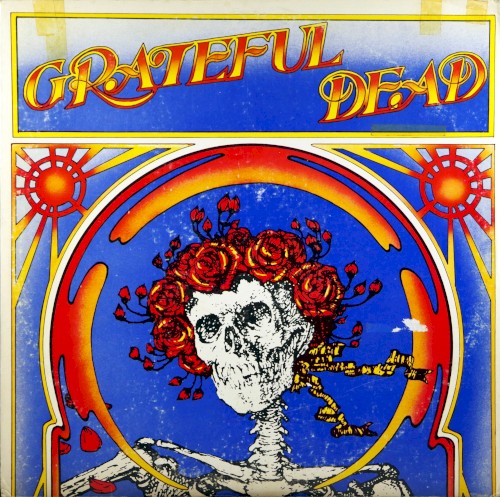 Wharf RatGLI 50No studio version exists. The first release is a concert with overdubs.Compare the two
Editorial counterpart
Chosen because it argues back
Playing in the BandGLI 18A 27-minute take against a 46-minute performance. The Dead released theirs.
Compare the twoThe record
Catalog facts
- Catalog no.
- GLI·TB·004
- Artist
- The Beatles
- Writers
- Lennon–McCartney
- Release
- The Beatles (White Album) (1968)
- Released
- 22 November 1968
- Duration
- 4:29 stereo / 3:40 mono
Sources
Classified 5 October 2026