Songs › Grateful Dead › Scarlet Begonias
Grateful Dead
Scarlet Begonias
The song ends and the band keeps walking until it reaches a different song.
Hollow marks: the other 49 scored songs · Hatched band: the Crossover Zone
The case
The strongest honest argument for each side, then the ruling.
The Garcia argument
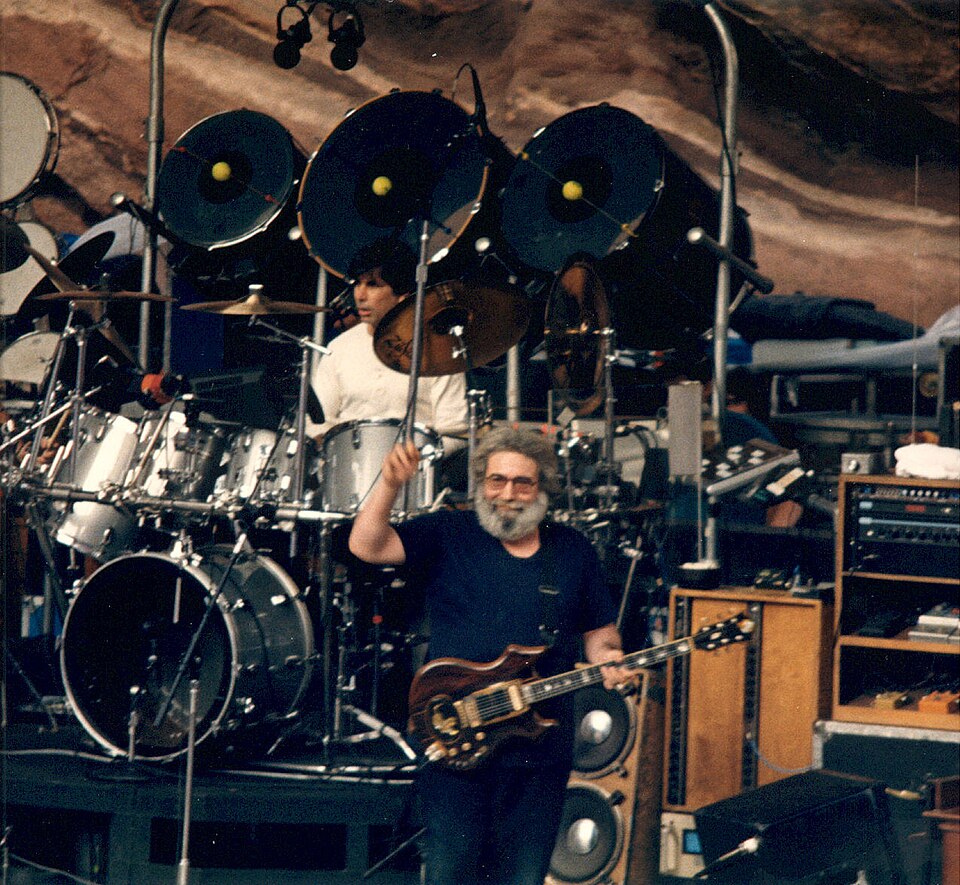
The band's own chronicler puts it plainly: the fixed parts are the riff, the verses and the bridge, and then it returns to the riff for a jam that can go anywhere. From 1977 that jam usually had to find its way into Fire on the Mountain, and the pair ran from twenty minutes to more than thirty-four. At Cornell the song alone runs 11:15 against 4:19 on the record.
The Lennon argument
The song is carefully written, with a syncopated riff, a detailed lyric and a bridge, and all of it is delivered intact before any jamming starts. The studio recording was made within weeks of the debut and stands as a complete song. Nothing in the composition requires the long ending.
The verdict: GLI 38
A written song with an open door at the back, and after 1977 most of the minutes are on the far side of the door. It sits right of Eyes of the World because its jam comes after the song is over and does not pass through it.
What is fixed
- The riff
- Verses and bridge
- Lyric
What is open
- Everything after the last verse
- Length
- The route into the next song
Evidence dimensions
Each runs from 0, Garcia, to 100, Lennon. Their weighted composite is 38. The published GLI is 38, the same.
Riff, verses and bridge in a set order, then an ending with no set length or destination.
4:19 on the record, 11:15 at Cornell, and part of a pairing that ran from 20 to over 34 minutes.
The song proper is fully written. The jam after it is not written at all.
Song form first, then group improvisation that has to find its way into another song.
The record was made weeks after the song's debut, before the jam had grown.
Transformational tolerance
The song survives without its jam, as the record shows. After 1977 it was rarely asked to.
Confidence: 92%
316 documented performances and a clear written account of which parts are fixed and which are open.
Keep arguing
Every placement is relative. These are the songs this one was measured against.
Cross-band twin
Closest song from the other band
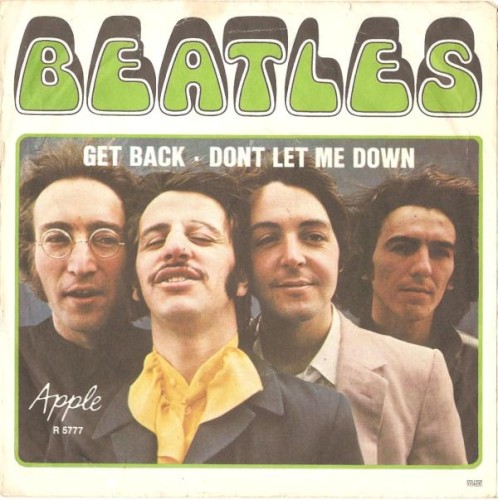
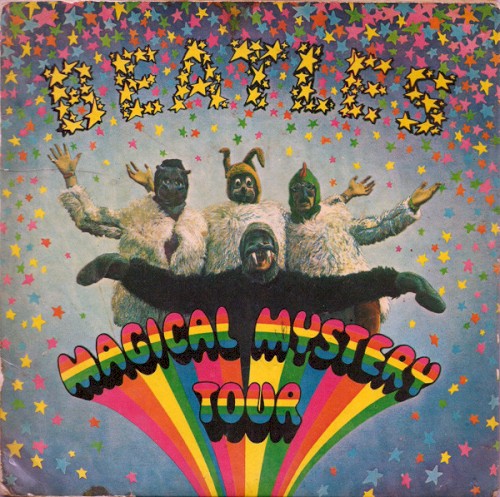 FlyingGLI 39A made-up twelve-bar blues credited to all four, cut down from nine minutes.Compare the two
Editorial counterpart
Chosen because it argues back
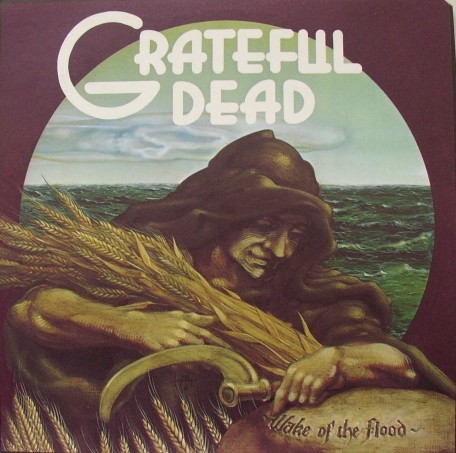
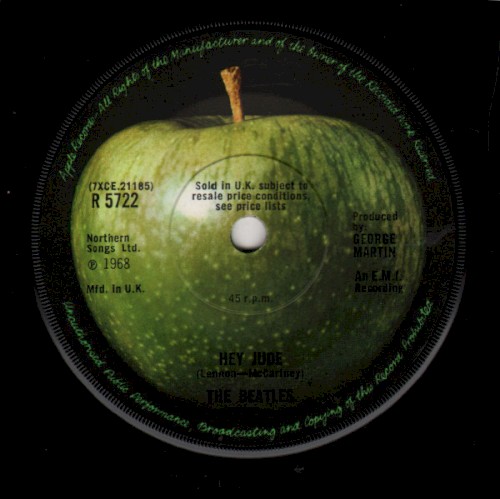 Hey JudeGLI 64
Each is a finished song with a long open tail. The Beatles faded theirs out. The Dead followed theirs somewhere else.
Compare the twoThe record
- The fixed parts are the opening riff, the verses and the bridge. It then returns to the riff for a jam that can go anywhere before settling into Fire on the Mountain.Source ↗
- The first Scarlet Begonias into Fire on the Mountain pairing was on 18 March 1977.Source ↗
- At Cornell on 8 May 1977 it runs 11:15. The studio track runs 4:19.Source ↗
- The paired sequence usually ran 20 to 25 minutes; the longest documented exceeded 34.Source ↗
Where the sources disagree
- Performance count: 316 (dead.net) or 317 (setlist.fm).
Catalog facts
- Catalog no.
- GLI·GD·019
- Artist
- Grateful Dead
- Writers
- Jerry Garcia / Robert Hunter
- Release
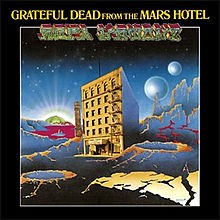
- From the Mars Hotel (1974)
- Released
- 27 June 1974
- Duration
- 4:19
- Performed
- 316 times (dead.net); 317 per setlist.fm
- First played
- 23 March 1974
- Last played
- 2 July 1995
Sources
- Wikipedia: Scarlet Begonias
- dead.net: Greatest Stories Ever Told, Scarlet Begonias
- Wikipedia: Cornell 5/8/77
- Wikipedia: From the Mars Hotel
Classified 5 October 2026