Songs › The Beatles › Get Back
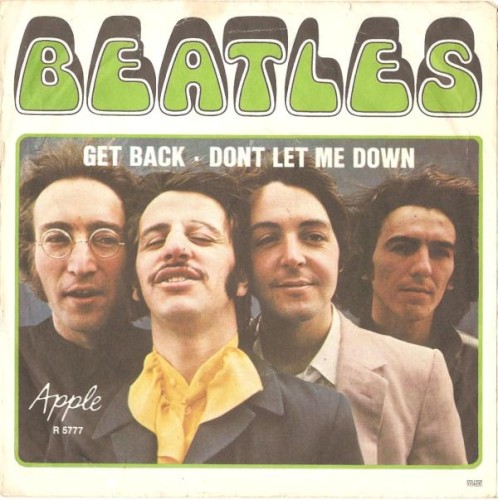
The Beatles
Get Back
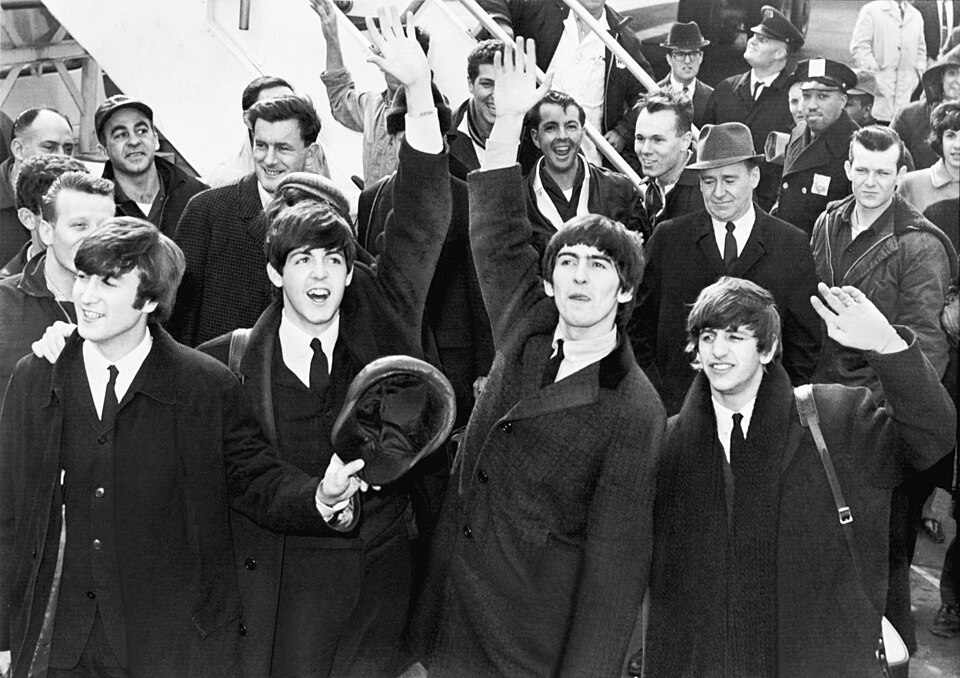
It grew out of a jam, and the Beatles played it three times in one lunchtime.
Hollow marks: the other 49 scored songs · Hatched band: the Crossover Zone
The case
The strongest honest argument for each side, then the ruling.
The Garcia argument
The song came out of unstructured jamming on 7 January 1969 and was shaped over three weeks of playing. The Beatles performed it three times on the roof on 30 January, and in the last one McCartney made up lines about the police who had arrived. It is one of the few late Beatles songs with several documented live versions, and they differ.
The Lennon argument
By the time of the studio take on 27 January the song had a fixed verse, chorus and solo order, and the lyric had been rewritten into its final story. The single adds a coda recorded the next day and edited on. The album version is the same take cut differently.
The verdict: GLI 41
A song found by playing and then lightly constructed for release. It ranks left of I Want You because it was performed in public in more than one form. It ranks right of Yer Blues because the single is an edit of two days' work.
What is fixed
- Verse and chorus
- The final lyric
- The edited coda on the single
What is open
- Solos
- Ad-libbed lines
- Which performance counts as the song
Evidence dimensions
Each runs from 0, Garcia, to 100, Lennon. Their weighted composite is 41. The published GLI is 41, the same.
Verse and chorus with solo breaks whose order was settled by playing.
Three rooftop versions and a studio take, with different words in places.
It began as a jam. The lyric was rewritten during rehearsals.
Worked up by a band playing together for three weeks.
The single is a studio take with a coda from another day edited on.
Transformational tolerance
Good. It was played four ways in four days and held.
Confidence: 84%
Unusually good evidence for a late Beatles song: filmed rehearsals, a studio master and three live performances in one day.
Keep arguing
Every placement is relative. These are the songs this one was measured against.
Cross-band twin
Closest song from the other band
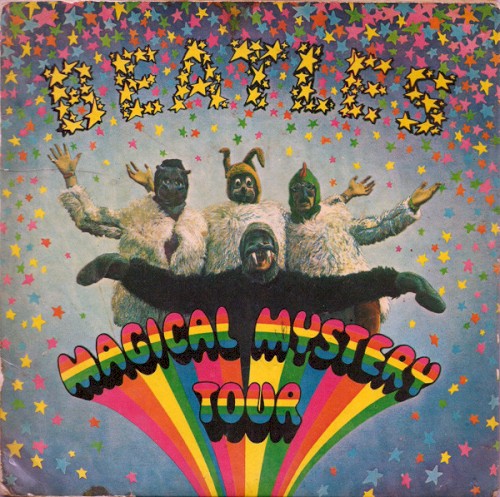
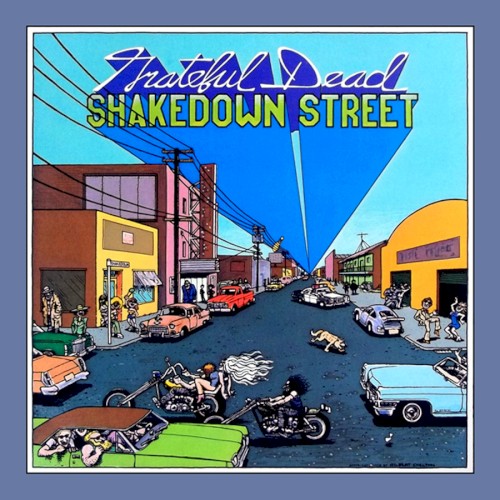 Shakedown StreetGLI 43Built in the studio as a dance record. Played on stage as something else within days.Compare the two
Editorial counterpart
Chosen because it argues back
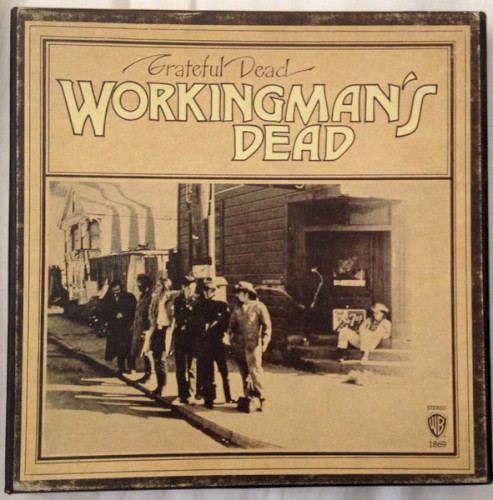 Casey JonesGLI 73
Both began as loose jams in 1969. The Dead tightened theirs within months. The Beatles played theirs on a roof.
Compare the twoThe record
- The song came out of unstructured jamming at Twickenham on 7 January 1969.Source ↗
- The released master is a studio take from 27 January 1969. The single's coda was recorded the next day and edited on.Source ↗
- The Beatles played it three times at the rooftop concert of 30 January 1969. It was the last song of their final live performance.Source ↗
- In the last rooftop performance McCartney improvised lines about the police.Source ↗
- Billy Preston plays electric piano.Source ↗
Catalog facts
- Catalog no.
- GLI·TB·021
- Artist
- The Beatles
- Writers
- Lennon–McCartney
- Release
- Get Back / Don't Let Me Down (1969)
- Released
- 11 April 1969
- Duration
- 3:13
Sources
Classified 5 October 2026