Songs › Grateful Dead › Shakedown Street
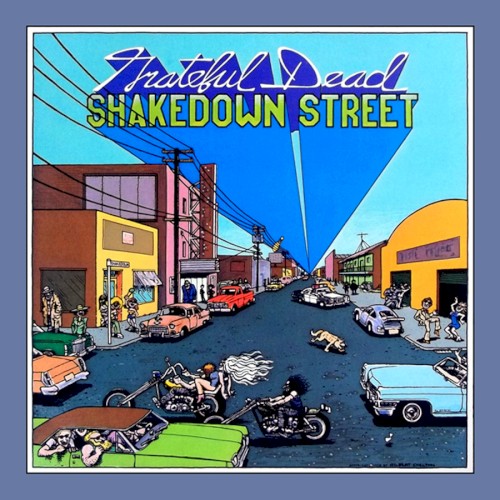
Grateful Dead
Shakedown Street
Built in the studio as a dance record. Played on stage as something else within days.
Hollow marks: the other 49 scored songs · Hatched band: the Crossover Zone
The case
The strongest honest argument for each side, then the ruling.
The Garcia argument
The band played it live on 31 August 1978, days after finishing the studio track and before anyone had heard the record. On stage the closing vamp became a place to improvise, and the song stayed in the set for seventeen years. The groove is a framework that depends on how the players push it.
The Lennon argument
This one was made in the studio first. The four-on-the-floor beat, the scratch guitar and the syncopated bass were production decisions, taken with an outside producer, and the song was heard as a deliberate move toward disco. The verses, the chorus and the call-and-response vocals are fixed.
The verdict: GLI 43
A studio construction that the band treated as a starting point. The song is written and the groove is designed, but the design leaves the ending open and the stage took the opening. Just on the Garcia side of centre. Confidence is lower than its neighbours because the live evidence is not yet sourced.
What is fixed
- Verses and chorus
- The groove
- Call-and-response vocals
What is open
- The closing vamp
- Length
- How far the groove is taken apart
Evidence dimensions
Each runs from 0, Garcia, to 100, Lennon. Their weighted composite is 43. The published GLI is 43, the same.
Verses and chorus in order, then a vamp of no fixed length.
The stage versions run well past the 4:59 of the record.
The groove was designed in the studio. What happens over it after the last chorus was not.
A dance groove that the band opens up and takes apart.
The record has a production sound the band did not carry on stage.
Transformational tolerance
It survived losing its disco production the week it reached the stage.
Confidence: 68%
The studio history is sourced. No source that was opened describes the live jam, so that part of the case rests on the recordings.
Keep arguing
Every placement is relative. These are the songs this one was measured against.
GLI neighbours
Numerically closest
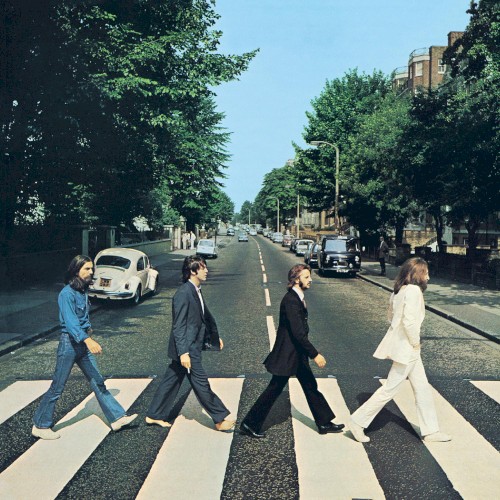 I Want You (She's So Heavy)GLI 44
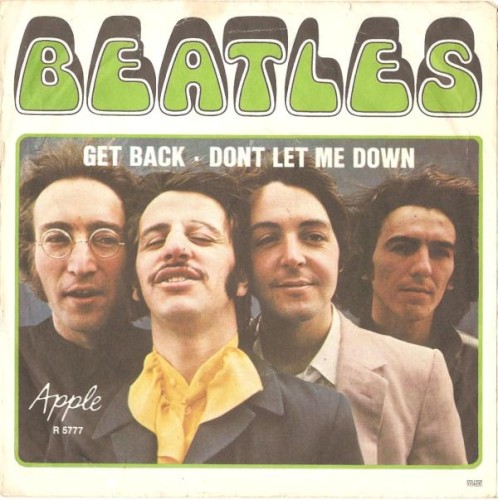 Get BackGLI 41
 China Cat SunflowerGLI 45
Cross-band twin
Closest song from the other band
I Want You (She's So Heavy)GLI 44The composition leans Garcia. The record leans Lennon. They nearly cancel.Compare the twoEditorial counterpart
Chosen because it argues back
Come TogetherGLI 75Two grooves designed in the studio. One stayed exactly as built.
Compare the twoThe record
- Recorded in July and August 1978 with Lowell George of Little Feat producing.Source ↗
- The studio track is built on a four-on-the-floor beat, scratch guitar and syncopated bass, and was received as a move toward disco.Source ↗
- First played live on 31 August 1978, days after the sessions and before the album came out.Source ↗
- It opened the second set of the band's final concert on 9 July 1995.Source ↗
Where the sources disagree
- Performance count: 163 (dead.net) or 164 (setlist.fm).
- No source that was opened describes the length or shape of the live jam. That part of the case rests on the recordings themselves.
Catalog facts
- Catalog no.
- GLI·GD·024
- Artist
- Grateful Dead
- Writers
- Jerry Garcia / Robert Hunter
- Release
- Shakedown Street (1978)
- Released
- 15 November 1978
- Duration
- 4:59
- Performed
- 163 times (dead.net); 164 per setlist.fm
- First played
- 31 August 1978
- Last played
- 9 July 1995
Sources
- Wikipedia: Shakedown Street (song)
- Wikipedia: Shakedown Street (album)
- dead.net: Greatest Stories Ever Told, Shakedown Street
Classified 5 October 2026