Songs › Grateful Dead › Sugar Magnolia
Grateful Dead
Sugar Magnolia
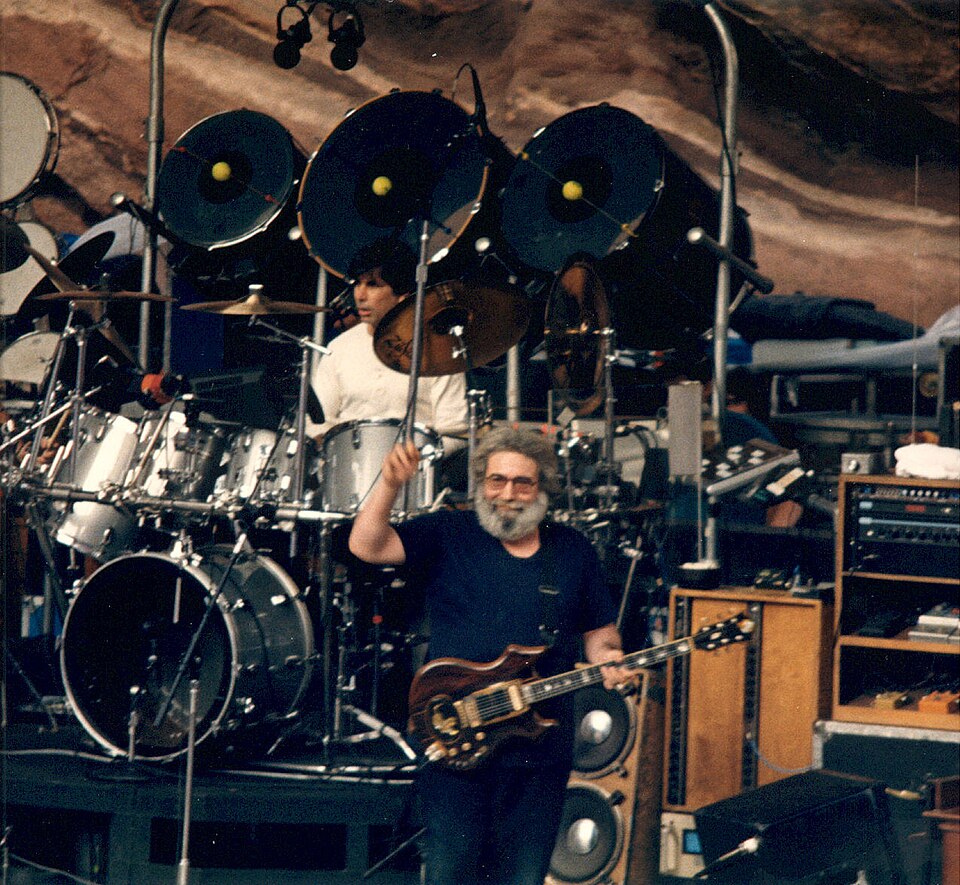
The band could stop it in the middle and finish it a week later.
Hollow marks: the other 49 scored songs · Hatched band: the Crossover Zone
The case
The strongest honest argument for each side, then the ruling.
The Garcia argument
The coda was not part of the song when it debuted; it arrived three months later. On stage the song split in two, with a gap between body and coda that ran from a few beats to several days. The record is a mellow country tune of 3:19, and the stage version is a rocker of seven or eight minutes. The way it was played changed what kind of song it is.
The Lennon argument
Every part of it is written: Weir's music, Hunter's lyric, the bridge, the coda with its own title. The pieces could be separated because each is a finished unit. Across nearly 600 performances the words and the sections did not change.
The verdict: GLI 60
Written in blocks, and the blocks were moved around and inflated in performance. Its content is predetermined. Its shape and character were settled on stage. Lennon leaning, by less than Uncle John's Band.
What is fixed
- Verses and bridge
- The Sunshine Daydream coda
- Lyric
What is open
- The gap before the coda
- Length of the instrumental break
- Tempo and attack
Evidence dimensions
Each runs from 0, Garcia, to 100, Lennon. Their weighted composite is 60. The published GLI is 60, the same.
A song in fixed sections plus a coda that could be detached.
3:19 on the record, 7:04 on Europe '72, 8:45 at Veneta.
Verses, bridge and coda are written. The instrumental break between them grew on stage.
Composed sections with a guitar break that stretches.
The record is a mild country tune. The song people know is the stage rocker.
Transformational tolerance
It survived being cut in half, with the two parts played days apart.
Confidence: 90%
596 documented performances and a sourced history of the coda.
Keep arguing
Every placement is relative. These are the songs this one was measured against.
Cross-band twin
Closest song from the other band
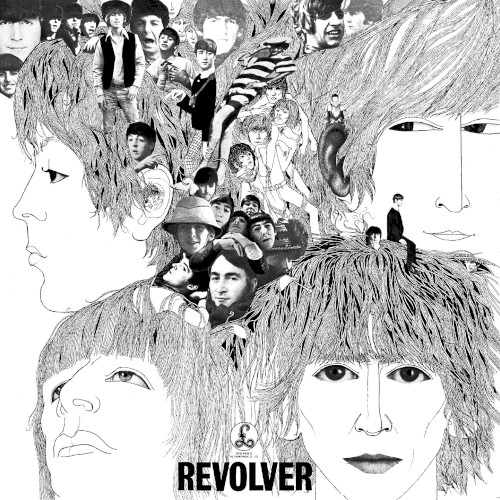 Tomorrow Never KnowsGLI 61How it was made is nearly Garcia. Where it lives is pure Lennon.Compare the two
Editorial counterpart
Chosen because it argues back
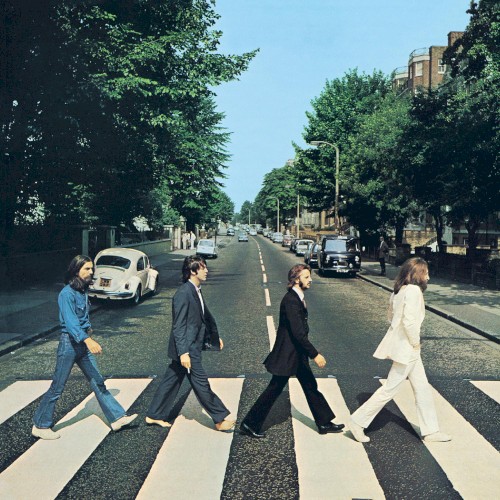 The EndGLI 67
Both are written pieces with a marked-off space for playing. The Beatles' space is counted in bars.
Compare the twoThe record
- The Sunshine Daydream coda was not part of the June 1970 debut. It was first performed on 17 September 1970.Source ↗
- Live, the song often split in two, with a gap between the body and the coda that ranged from a few beats to a whole set or several days.Source ↗
- The record is a mellow country-leaning tune; on stage it became an all-out rocker.Source ↗
- The Europe '72 version runs 7:04 against 3:19 in the studio.Source ↗
Where the sources disagree
- Performance count: 596 (DeadBase X) or 604 (setlist.fm).
Catalog facts
- Catalog no.
- GLI·GD·014
- Artist
- Grateful Dead
- Writers
- Bob Weir / Robert Hunter
- Release
- American Beauty (1970)
- Released
- 1 November 1970
- Duration
- 3:19
- Performed
- 596 times (DeadBase X, as cited by Wikipedia); 604 per setlist.fm
- First played
- 7 June 1970
- Last played
- 9 July 1995
Sources
- Wikipedia: Sugar Magnolia
- dead.net: Greatest Stories Ever Told, Sugar Magnolia / Sunshine Daydream
- deaddisc: Sugar Magnolia
- Wikipedia: Europe '72
Classified 5 October 2026