Songs › The Beatles › Happiness Is a Warm Gun
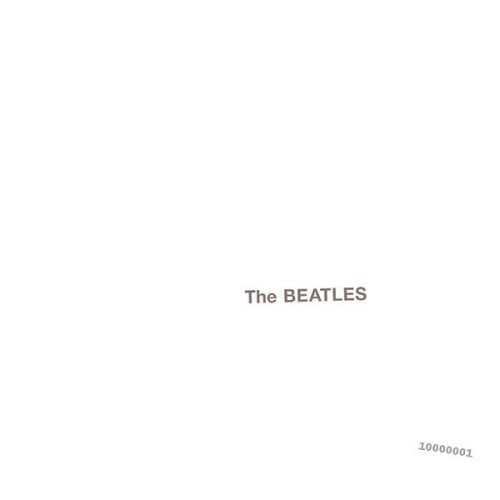
The Beatles
Happiness Is a Warm Gun

Seventy takes, and the master is still two of them joined.
Hollow marks: the other 49 scored songs · Hatched band: the Crossover Zone
The case
The strongest honest argument for each side, then the ruling.
The Garcia argument
The basic track was a band playing together in a room, seventy times over two days. The difficulty was human: getting four people through the metre changes in one pass.
The Lennon argument
They never managed it. The master is take 53 joined to take 65. The song moves through separate sections in shifting metres, with the drums at times counting differently from everyone else, and none of it repeats. That can only be written. The Beatles never played it live.
The verdict: GLI 92
A through-composed piece at the limit of what its authors could perform. The seventy takes are evidence for Lennon: nothing was open, so every deviation was a mistake.
What is fixed
- Every section and metre
- Lyric
- The splice
What is open
- Nothing
Evidence dimensions
Each runs from 0, Garcia, to 100, Lennon. Their weighted composite is 92. The published GLI is 92, the same.
Distinct sections in changing metres, none repeated.
It took 70 takes to get two halves worth joining.
Every bar is specified, including bars where the drums count differently from the band.
Through-composed. Each section is replaced by the next.
The master is a splice of two takes.
Transformational tolerance
Very low. Miss one metre change and it stops.
Confidence: 88%
Take counts and the splice are documented on dated session pages.
Keep arguing
Every placement is relative. These are the songs this one was measured against.
Cross-band twin
Closest song from the other band
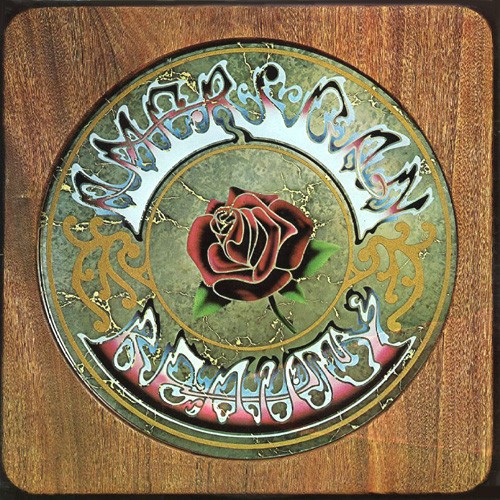 Attics of My LifeGLI 88The most Lennon song the Dead played, and a choir could sing it.Compare the two
Editorial counterpart
Chosen because it argues back
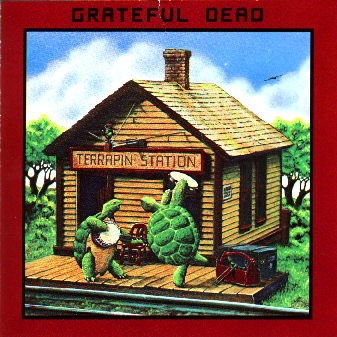 Estimated ProphetGLI 48
Two songs in shifting odd metres. The Beatles needed 70 takes and a splice. The Dead played theirs 390 times.
Compare the twoThe record
Catalog facts
- Catalog no.
- GLI·TB·020
- Artist
- The Beatles
- Writers
- Lennon–McCartney
- Release
- The Beatles (White Album) (1968)
- Released
- 22 November 1968
- Duration
- 2:43
Sources
- Wikipedia: Happiness Is a Warm Gun
- Beatles Bible: Happiness Is a Warm Gun
- Beatles Bible: 24 September 1968 session
Classified 5 October 2026