Songs › The Beatles › Yer Blues
The Beatles
Yer Blues
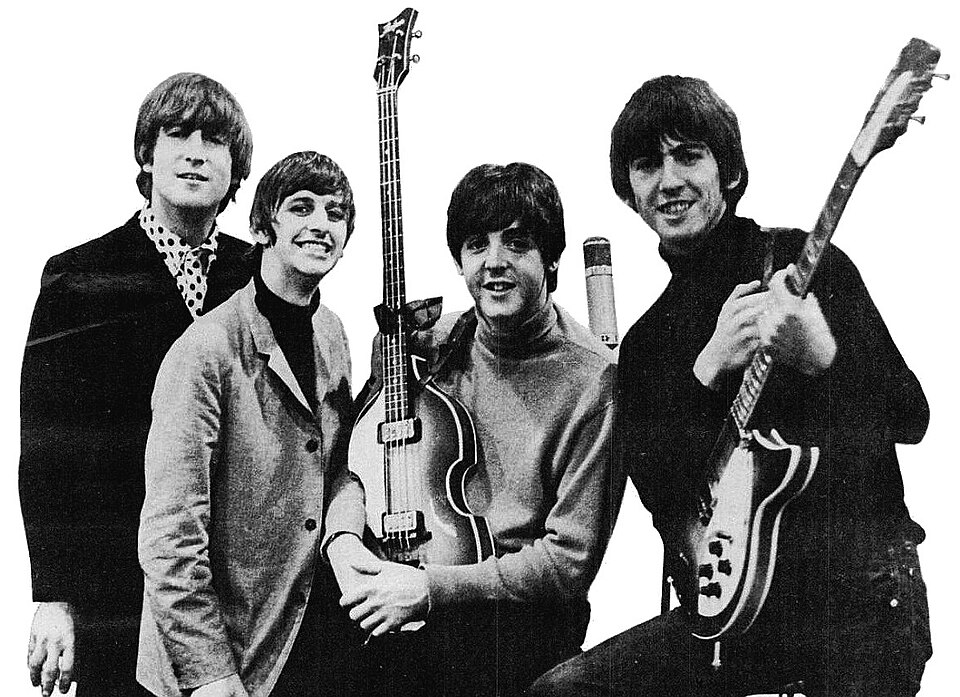
A Beatles song that travelled between three bands inside a year.
Hollow marks: the other 49 scored songs · Hatched band: the Crossover Zone
The case
The strongest honest argument for each side, then the ruling.
The Garcia argument
The Beatles recorded it in August 1968 standing close together in a small room beside the Studio Two control room, playing live. The form is a blues and the solos are improvised. Lennon then played it with two entirely different bands: The Dirty Mac in December 1968 and the Plastic Ono Band in Toronto in September 1969. Each had different soloists, and it held up as the same song each time.
The Lennon argument
The arrangement has composed features that a blues jam would not: changes of metre, a stop-time passage and a switch of feel for the solos. The lyric is fixed. The album track also contains an audible edit into its closing section, so the record is not a straight document of one take.
The verdict: GLI 31
A song written as a frame for playing. The proof is that it travelled: three line-ups, three sets of solos, one work. It stays out of the deep Garcia range because the frame is short and bounded. Nobody stretched it to twenty minutes.
What is fixed
- Lyric
- Blues form
- Metre changes and stops
What is open
- Solos
- Who plays them
- Intensity and length of the solo section
Evidence dimensions
Each runs from 0, Garcia, to 100, Lennon. Their weighted composite is 31. The published GLI is 31, the same.
A blues form with written interruptions: metre changes and a switch of feel for the solos.
Three bands, three sets of solos, one song.
The lyric and the frame are set. The playing inside the frame is not.
Improvised solos and live interplay, recorded with the band standing close together.
The album cut is close to a document of a room, apart from one audible edit.
Transformational tolerance
Proven. It changed players twice within a year and held.
Confidence: 74%
Three documented line-ups played it, which is unusual evidence for a late Beatles song. Still only a handful of realizations.
Keep arguing
Every placement is relative. These are the songs this one was measured against.
Cross-band twin
Closest song from the other band
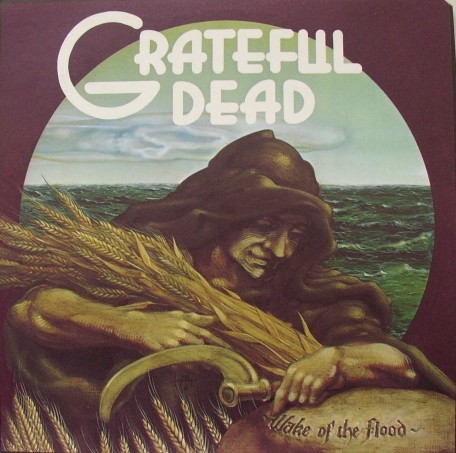 Eyes of the WorldGLI 34A written song designed with the doors left open.Compare the two
Editorial counterpart
Chosen because it argues back
Helter SkelterGLI 52Same album, same summer. One was caught as it was played. The other was chosen from a wide field of attempts.
Compare the twoThe record
Catalog facts
- Catalog no.
- GLI·TB·002
- Artist
- The Beatles
- Writers
- Lennon–McCartney
- Release
- The Beatles (White Album) (1968)
- Released
- 22 November 1968
- Duration
- 4:01
Sources
Classified 5 October 2026